
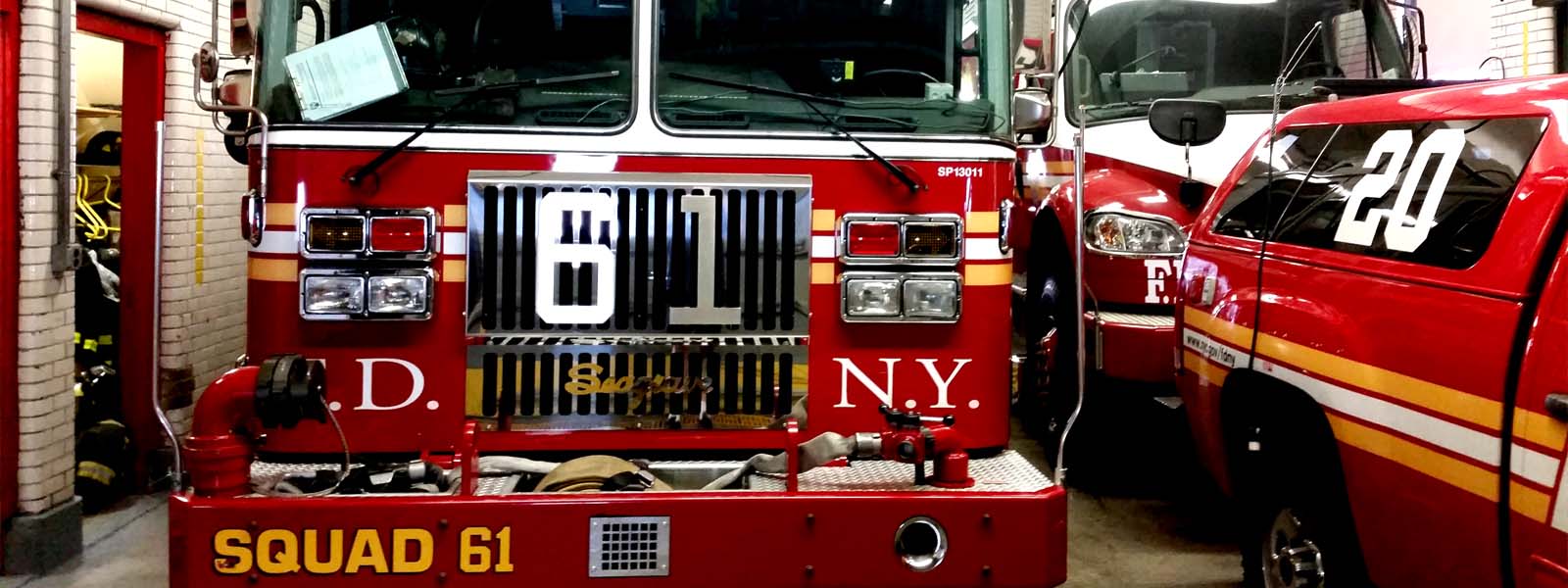
A confined space rescue technician works in an environment where the space itself can create the emergency. Limited entry, hazardous atmospheres, engulfment risks and mechanical hazards can turn an improvised rescue into a second incident. Squad 61 lists Confined Space Rescue Technician among the required technical-rescue courses on its training page. The useful lesson starts before anyone crosses an entry point.
First identify what makes the space dangerous
OSHA defines a permit-required confined space by the hazards it contains or may contain. Those hazards can include a dangerous atmosphere, engulfment material, inward-converging walls or another recognized serious safety hazard. The agency’s confined spaces overview gives the regulatory framework.
A rescue team needs information about the actual space. Geometry, access, internal obstacles, energy sources and atmospheric conditions shape the plan. A generic confined-space certificate cannot answer every site-specific question.
That is why OSHA requires employers that rely on a rescue service to give that service access to relevant permit spaces so the team can develop plans and practice operations.
That site access matters before an incident. A vertical tank, a utility vault and an industrial vessel can create very different entry and retrieval problems. Practice lets a team test whether its equipment reaches the space, whether communications work and whether the planned rescue path remains usable.
Rescue capability grows from hazard control
Confined-space rescue training reaches well beyond the act of getting a rescuer through a small opening. Responders need to understand atmospheric monitoring, ventilation, isolation of hazardous energy, communications and retrieval systems where the situation calls for them.
The team also has to decide whether responders can remove a person without entry. Non-entry rescue can reduce exposure when the space design and incident conditions allow it. When entry becomes necessary, the rescue plan has to account for the same hazards that threatened the original entrant.
OSHA’s permit-required confined-space standard requires employers to evaluate a rescue service’s ability to respond in a timely way to identified hazards and to equip and train designated rescue personnel.
Technician training depends on team roles
A technical-rescue incident has assignments that work together. One member entering the space depends on personnel outside for monitoring, communications, rigging, accountability and emergency support. The incident command structure sets the boundaries.
Confined space rescue technician training involves much more than a collection of knots or equipment demonstrations, and the skills have to work together under pressure. Hardware skills matter. The larger competence comes from using them inside a controlled rescue system while recognizing the hazards that could force the team to stop or change tactics.
Practice in representative spaces helps teams find problems with access, communications and equipment movement before a real call. It also lets supervisors verify that the planned roles make sense with the people, equipment and space available on that day.
Squad training sits inside a wider technical-rescue system
Our training page places confined space rescue beside collapse, trench, rope and other technical disciplines. That context matters because real incidents can overlap. A confined space may also involve hazardous materials or complicated rope access.
The title “confined space rescue technician” signals a level of preparation. Operational readiness comes from something broader: current training, site-aware planning, maintained equipment and a team that understands its limits. Those pieces reduce improvisation when the environment already leaves little room for error.
