
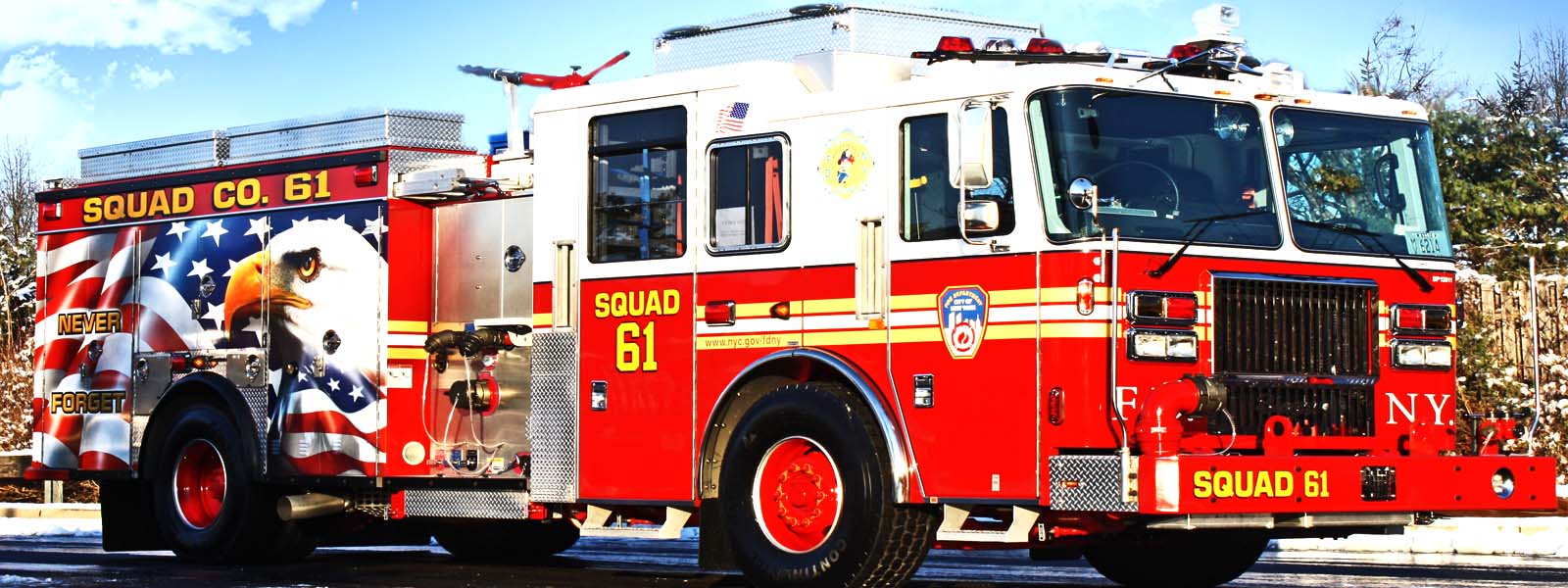
Swift water rescue training prepares responders for moving-water incidents where current, debris, changing depth and access problems can alter conditions quickly. Squad 61’s training page lists Swift Water Rescue Training among its additional technical-rescue courses. This page explains the discipline at a high level. It does not replace department training, an authority having jurisdiction’s procedures or hands-on instruction from qualified instructors.
Moving water changes the rescue problem
A still-water call and a swiftwater call can demand very different decisions. Current can move a victim, push a boat off line, load a rope system and carry debris into rescuers. Water level can change during the incident as well.
That is why formal preparation starts with hydrology and hazard recognition. FEMA’s current qualification material for a Swiftwater/Flood Search and Rescue Technician includes knowledge of water features, search procedures, swimming and maneuvering skills, rope systems and water-based rescue techniques. Those capabilities belong inside a team system with defined supervision and equipment.
The takeaway for a reader is simple: comfort around water does not equal rescue readiness.
Personal readiness also includes exposure protection and physical capability. Cold water, slippery footing and repeated movement against current can change how quickly a responder tires. Training gives instructors a controlled setting to evaluate those limits and reinforce the point that a rescuer who becomes a victim adds another problem for the team.
Training connects shore, water and boat operations
Technical rescue courses build a common operating language so responders can work as one unit. A technician may need to understand what shore-based personnel can do, what an in-water rescuer can safely attempt and when a boat changes the options available to the incident commander.
The equipment matters, yet equipment alone does not create capability. Personal flotation devices, helmets, exposure protection and rope gear all require correct selection, inspection and use. Teams also train around communications because moving water can make ordinary voice contact unreliable.
NFPA maintains NFPA 2500, which addresses organizational capabilities for technical search and rescue. Departments use standards together with local risk assessments, operating procedures and the requirements of their authority having jurisdiction.
Repetition matters because conditions never repeat exactly
A classroom can explain current, strainers, entrapment hazards and rescue priorities. The practical part teaches responders how those ideas feel under controlled conditions.
That does not mean training tries to recreate every emergency. The goal is to build repeatable skills and decision habits that hold up when the water looks different from the last drill. Teams need to recognize when a tactic exceeds their level, when they need another resource and when changing conditions require a new plan.
Scenario work also exposes communication problems. A hand signal that seems obvious on dry land can disappear behind spray, distance or noise. Drills give teams a place to find those gaps before an actual response.
A course title is only one part of readiness
Our training page lists the courses associated with Squad 61’s technical-rescue preparation.
For agencies, readiness continues after a course ends. Personnel need recurring practice, maintained equipment, current procedures and a clear understanding of who can perform which tasks. Training records and local qualification processes matter too.
Swift water rescue training makes sense as part of that larger system. The water supplies the hazard. The team supplies discipline, practiced coordination and a willingness to stay inside the capability that its training and procedures actually support.
